


Proper preparation is key when storing art, as it ensures the longevity and preservation of each piece. Many artworks are susceptible to environmental damage, physical stress, or degradation over time. Materials like canvas, paper, and certain pigments can react adversely when exposed to less than ideal conditions. By preparing art pieces meticulously for storage, you mitigate risks such as cracking, mold growth, and color fading. Think of each artwork as an investment or a treasured memory that deserves the utmost care to maintain its original condition and aesthetic value. If you’re in the Vero Beach area, consider contacting Vero Beach movers to help you prepare art pieces for storage.
Choosing the right environment for storage
Finding the right environment for storing art is pivotal. You need a space that maintains a consistent climate to prevent harmful fluctuations that can lead to deterioration. The ideal storage temperature for most art forms is around 70 degrees Fahrenheit with relative humidity maintained between 40% and 50%. This range helps prevent the expansion and contraction of materials that could cause warping or other damage. Additionally, the area should be clean, free of pests, and have minimal exposure to UV light, which can fade colors and degrade materials over time. For those looking for secure and climate-controlled storage units in Vero Beach, there are facilities designed specifically for the safekeeping of delicate items like art.
Cleaning art before storage
Before placing art in storage, a thorough and careful cleaning is essential to avoid trapping dust, grime, or pollutants that can cause long-term damage. For paintings, use a soft-haired brush to gently remove surface dust without touching the paint itself. For prints and drawings, dry cleaning with a soft eraser can remove surface debris without smudging or tearing the paper.
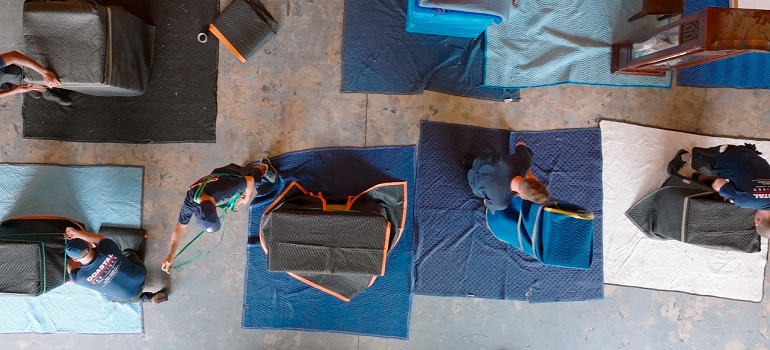
Sculptures made from metal or stone can be wiped with a clean, slightly damp cloth to remove fingerprints and dust, and then dried immediately to prevent water spots or mineral deposits. Always use materials and cleaners that are specifically designed for art conservation, avoiding household cleaners that often contain harsh chemicals. If moving art over long distances, consider the services of long distance movers in Vero Beach who specialize in the secure transport of delicate items.
Proper wrapping materials to help you prepare art pieces for storage
Selecting the right wrapping materials is essential for safeguarding art during storage. Artists and collectors should opt for archival-quality supplies specifically designed for art preservation. For paintings and delicate prints, acid-free tissue paper offers a safe layer against moisture and prevents physical contact that could cause damage. Sculptures and three-dimensional artworks require acid-free foam which snugly fits around contours, providing necessary cushioning and protecting from shocks.
- Acid-Free Tissue Paper: Prevents chemical interactions that degrade artwork.
- Glassine Paper: Moisture-resistant barrier for prints and drawings.
- Archival-Quality Foam: Molds to shapes, offering impact protection.
- Tyvek Wrap: Breathable, shields against moisture and dust.
- Archival-Quality Plastic: Keeps out dirt while allowing air flow.
- pH-Neutral Tape: Seals materials without chemical harm.
- Silica Gel Packs: Controls humidity within wrapped packages.
- UV Protective Covers: Blocks harmful ultraviolet light.
- Padding Materials: Soft, pliable fabrics to buffer between artworks.
For those in Vero Beach, utilizing local movers in Vero Beach FL ensures that these materials are applied correctly. These professionals are equipped with the tools and knowledge necessary to handle fine art with utmost care. Employing their services significantly reduces the risks associated with moving and storing valuable art pieces.
Using the right containers
Properly arranging art in storage is crucial for preventing damage and maintaining the condition of each piece. Paintings should be hung on padded racks, which elevate them above the floor, reducing the risk of moisture damage and physical contact with other objects. These racks also keep artworks separate to prevent the surfaces from touching, which can lead to scratches or pressure marks. Sculptures require sturdy supports such as plinths or heavy-duty shelving that can bear their weight and remain stable, reducing the risk of falls or shifts that could cause breakage. It’s essential to use non-reactive materials for these supports to avoid chemical damage to the sculpture materials.

Multimedia pieces demand special consideration; they should be stored in individual compartments lined with inert materials to prevent interaction between different media types that could lead to deterioration. Additionally, clear pathways around the storage area are vital. This setup prevents accidents during routine checks and when retrieving items, ensuring that each piece remains untouched and secure. Always assess the layout of your storage space, making adjustments as your collection grows or changes. This proactive approach ensures that your art is not only stored but preserved under optimal conditions.
Arranging art in storage
Art should be arranged in a way that minimizes stress and avoids potential damage. Hang paintings on padded racks that keep them off the ground and separated from each other to prevent any pressure or rubbing against surfaces. For sculptures, ensure they are on stable plinths or shelves that can support their weight without risk of tipping. Store multimedia pieces in compartments that shield them from contact with differing materials, which can react and potentially cause damage. Always maintain a clear path around stored items to prevent accidental bumps or scrapes during checks or retrieval.
Regular checks while in storage
Regular inspections of stored art are necessary to address any arising issues promptly. During each check, assess the climate control settings to ensure they remain within the ideal range for temperature and humidity. Look for signs of pest activity or mold growth, which can occur if the environmental conditions are not optimal. Checking the integrity of the storage containers and the condition of the wrapping materials can also help catch and mitigate any potential problems early on.

Concluding tips to help you prepare art pieces for storage
Preparing your art for storage with precise attention to the environment and materials ensures its preservation. Regular checks and diligent maintenance safeguard your pieces against the unpredictable nature of storage environments. These preparations allow you to rest assured, knowing your art will maintain its aesthetic and historical value for future enjoyment or appraisal. As you consider relocating or storing valuable pieces, think about enlisting professional help. In Vero Beach, skilled professionals specialize in preparing art pieces for storage. They provide the expertise needed to protect your investments effectively. Choose expert movers in Vero Beach to handle and store your art with the care it deserves.
