


The migration patterns across the United States are shifting significantly, with certain states experiencing a noticeable decline in their populations. Driven by factors such as economic pressures, the cost of living, and job opportunities, many Americans are reconsidering their choices of residence. Potential movers need to understand the reasons behind the higher rates of exodus from these states. We’re here to help with detailed insights into the living and real estate costs that are influencing such decisions. For individuals contemplating a move away from these regions, Coastal Van Lines Florida offers dependable relocation services. Discover which states most Americans are moving away from and understand the dynamics that are reshaping where people choose to live and work.
California: Economic exodus
California’s high cost of living continues to drive residents to seek more affordable alternatives. The median home price exceeds $800,000, pushing many to reconsider their stay in iconic cities like San Francisco and Los Angeles. With a state income tax as high as 13.3%, the financial burden is considerable for the average resident. This economic strain is causing a notable migration to states like Texas and Nevada, known for their lower living costs and favorable tax conditions.
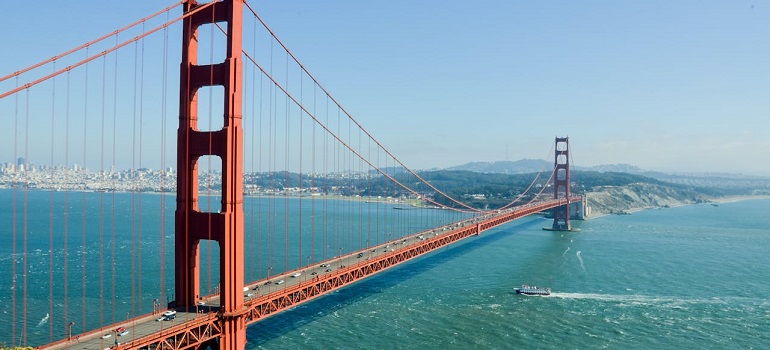
Such shifts are reshaping California’s demographic landscape, as families and individuals search for financially sustainable living options. The allure of cheaper housing, combined with less financial strain, makes relocation a viable option for many. If you’re considering such a move, long distance movers can provide expert assistance to ensure a smooth transition, helping you navigate the complexities of interstate relocation efficiently.
New York: Crowded and costly
New York’s appeal is often overshadowed by its daunting cost of living. In New York City, the average rent remains around $3,000, soaring beyond $4,000 in Manhattan. With a cost of living index at 120, significantly towering over the national average, residents endure substantial financial strain. This economic pressure, compounded by the dense urban environment, drives many to seek better quality of life in less crowded and more affordable regions.
- Relocation destinations: Many ex-New Yorkers are moving to Pennsylvania and New Jersey for lower living costs.
- Cost comparison: Pennsylvania’s average rent is approximately $1,200, a stark contrast to NYC.
- Population density: New Jersey offers more spacious living conditions compared to NYC’s compact living spaces.
As New Yorkers relocate, they are drawn to neighboring states that promise a balance of proximity and affordability. These areas provide the benefits of the metropolitan northeast without the exorbitant costs associated with New York City living. The migration trend is influenced by a desire for a more manageable lifestyle, as families and professionals opt for environments that support both personal and financial well-being. For assistance with your move out of New York, consider the expert services of interstate movers in Florida, who specialize in easing the transition between states with comprehensive moving solutions.
Illinois: Financial instability
Illinois faces significant economic challenges, marked by a steady population decline, particularly in Chicago. This exodus, persisting for six consecutive years, is fueled by high property taxes and ongoing fiscal uncertainty. Illinois’ property taxes are among the highest nationwide, averaging 2.16%, which, combined with concerns about crime rates and governance, dampens its appeal. The state’s real estate market, while more affordable compared to coastal regions, doesn’t compensate for the financial burden posed by taxes.
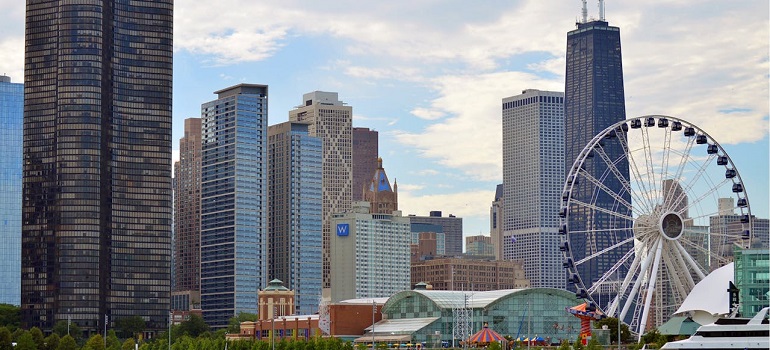
The economic landscape in Illinois has made it less desirable for families and retirees who prioritize stability and safety. Job market stagnation further complicates the living conditions, making it difficult for residents to foresee a prosperous future within the state. Those looking to move from Illinois might find a more stable environment in states with lower taxes and better governance. If you are planning such a move and need to transport your belongings safely, furniture movers provide reliable and efficient moving services. They specialize in handling your valuable items with care, ensuring a smooth transition away from Illinois’s challenging economic conditions.
New Jersey: One of the taxed out states most Americans are moving away from
In New Jersey, the financial burden of high property taxes, which average over $8,500 annually, combines with a cost of living index at 115.4 to make daily life and homeownership challenging. The high expenses push residents toward states like Florida and Texas, where both the cost of living and tax burdens are more favorable. As the appeal of proximity to New York City diminishes under these strains, more residents are reconsidering their living arrangements and seeking better economic environments.
- Economic Flight: An increasing number of New Jerseyans are relocating to reduce their financial burdens.
- Tax Relief States: Florida and Texas are popular for their lower tax rates and more affordable living.
- Quality of Life: Those moving find improved quality of life with lower housing costs and more disposable income.
As the trend continues, New Jersey faces challenges in retaining its populace. The state’s high taxes and cost of living create a compelling case for residents to move to states where they can enjoy a higher standard of living. This outflow affects various sectors in New Jersey, from real estate to local businesses, which must adapt to a shrinking customer base. The ongoing migration not only reshapes individual lives but also the demographic and economic landscape of New Jersey.
Seeking financial relief beyond New Jersey
As New Jerseyans evaluate their financial situations, many find that relocating can offer substantial economic relief. States with no state income tax, such as Florida and Texas, attract those burdened by New Jersey’s steep taxes. The migration is not just about lower costs but also about seeking a higher quality of life with more disposable income. In these more affordable states, former New Jersey residents enjoy better housing options, enhanced lifestyle choices, and greater financial freedom, making the move an increasingly popular choice.
Relocation resources for New Jersey residents
For New Jersey residents planning a move, the logistics can seem daunting. Securing reliable moving supplies is essential for a smooth transition. Moving supplies in Vero Beach FL offers a range of products that ensure belongings are safely transported, from sturdy boxes to protective wraps. With proper planning and the right resources, moving out of New Jersey can be a well-organized and stress-free experience. Whether moving to Florida’s sunny shores or Texas’s expansive landscapes, efficient packing and moving services help ease the transition to a more affordable and enjoyable living environment.
Pennsylvania: One of the post-industrial decline states most Americans are moving away from
Pennsylvania’s once thriving industrial landscape is now grappling with urban decay and depopulation, especially in historic cities like Pittsburgh and Philadelphia. While housing remains relatively affordable—with median home prices hovering around $200,000—the state’s dwindling job opportunities and outdated infrastructure deter new residents. Pennsylvania’s stagnant population growth is emblematic of a larger trend, as residents increasingly relocate to the South and West in search of better opportunities and a higher quality of life.

The economic challenges are particularly acute in former industrial strongholds, where job markets have not fully recovered from the decline in manufacturing. These areas struggle to attract and retain talent, leading to a cycle of depopulation that exacerbates urban decline. Despite these challenges, Pennsylvania’s rich history and lower cost of living still attract some who seek affordability over economic vitality. For those moving away from Pennsylvania’s challenging economic conditions, climate controlled storage offers secure options to safeguard belongings during the transition. Utilizing such services can ease the logistical challenges of relocation, ensuring that personal and valuable items are kept in optimal conditions amidst moves to more prosperous regions. This shift not only reflects personal choices but also underscores broader economic shifts across the United States
Louisiana: Weathering the Storm
Louisiana’s ongoing battle with severe weather, including frequent hurricanes and floods, presents significant challenges for its residents. The constant threat of natural disasters combined with an economy suffering from the volatile oil market discourages long-term residency plans. Despite low housing costs, with median home values around $170,000, the high insurance premiums required to cover disaster risks often negate these financial advantages. This precarious situation propels a steady exodus of individuals searching for stability and safety elsewhere.
- Rising Insurance Costs: Insurance rates in Louisiana have skyrocketed, further burdening homeowners.
- Infrastructure Strain: Frequent repairs and rebuilds strain local resources and budgets.
- Economic Diversification Efforts: Initiatives to diversify the economy beyond oil and gas have had mixed results.
Amidst these challenges, Louisiana’s residents are increasingly considering relocation as a viable option. The allure of states with lower disaster risks and more robust economic opportunities is strong. As Louisiana continues to navigate its environmental and economic hurdles, the patterns of migration reflect a broader trend of seeking out safer and more prosperous living conditions across the country.
Economic impact of environmental vulnerability
Louisiana’s environmental challenges significantly impact its economy. Frequent weather disruptions halt business operations, hindering economic stability and growth. The state’s dependence on fluctuating industries such as oil and gas exacerbates this instability, prompting businesses and residents to seek more stable economic climates. Additionally, the high costs of rebuilding and repairing after natural disasters strain both state resources and private finances, leading to increased economic uncertainty.

This unpredictable economic landscape, compounded by regular natural disasters, drives a significant outmigration. Residents and businesses are moving to states with less environmental risk and more economic predictability. As companies relocate, job opportunities diminish further, accelerating the cycle of economic decline in Louisiana. For those moving to safer areas with a lot of bulky belongings, engaging reliable piano movers ensure a smooth move. These conditions underline the urgent need for economic diversification and improved disaster preparedness to retain residents and attract investment.
Seeking stability beyond the states most Americans are moving away from
As residents move away from Louisiana’s unpredictable climate, they often look towards states with lower risks of natural disasters and more stable economic opportunities. Regions that offer robust job markets, reliable infrastructure, and safer living conditions are particularly attractive. Making a move to a more stable environment not only provides peace of mind but also offers new opportunities for growth and prosperity in less hazard-prone areas. This migration pattern highlights a broader search for quality of life that extends beyond simple economic calculations to include personal safety and well-being.
Michigan: Economic downturn
Michigan’s struggles are deeply tied to the automotive industry’s downturn, particularly impacting cities like Detroit. Despite low real estate costs, with homes averaging $160,000, the lack of job opportunities in traditional sectors prompts residents to seek prosperity elsewhere. States like Colorado and North Carolina, known for their booming tech and healthcare sectors, are becoming preferred destinations for those leaving Michigan. The migration is fueled by the pursuit of job security and a higher quality of life, which Michigan currently struggles to offer.
- Urban Decline: Large swathes of Detroit display urban decay, deterring new residents.
- Educational Opportunities: Lack of modern educational facilities to support new industries.
- Infrastructure Issues: Aging infrastructure reduces the appeal for businesses and families.
- Healthcare Access: Inadequate healthcare services compared to states with growing populations.
- Economic Diversification: Slow progress in diversifying beyond manufacturing.
The subsequent paragraph would continue to explore the long-term impact of these challenges on Michigan’s population dynamics. The state needs significant investment in education, healthcare, and infrastructure to reverse the migration trends. Initiatives to modernize and diversify the economy could retain and attract residents. They could also ensure Michigan remains a viable place to live and work. For those relocating, engaging white glove movers ensures a meticulous and careful moving process, aligning with the high standards required during such transitions.
Navigating choices in states most Americans are moving away from
Exploring why some states most Americans are moving away from offers valuable insights. Economic challenges and lifestyle choices prompt these decisions. If you’re thinking of relocating, understanding these dynamics can guide your decision to find a better fit for your needs. Reliable movers can make this transition smoother. They can ease the stress of moving from areas facing economic decline or high living costs. Engaging professional movers ensures that your relocation is handled with care. This will allow you to focus on settling into a new, promising environment. This knowledge empowers you to make informed choices about leaving states where many Americans no longer find what they need.
Resources:
