


Moving to another state for the first time can be both exciting and challenging. The opportunity to explore new territories often comes with the need to adapt to varying laws, diverse climates, and different cultural settings. Preparing thoroughly is essential, ensuring a smooth transition into your new environment. This process involves understanding unique state-specific regulations, which can significantly affect daily life and financial planning. Let’s say you’re moving from Florida. Connecting with interstate movers Florida can provide professional insight, making the journey less daunting. As you prepare, consider the local real estate market, climate adjustments, and logistical aspects of moving.
Understanding state-specific regulations and laws
Every state in the U.S. operates under its own set of rules and regulations, which can significantly affect everything from your taxes to your driving. For example, states like Texas and Florida do not levy state income tax, which can be a pleasant surprise for those moving from states like California or New York where taxes are higher. Additionally, auto insurance requirements vary by state—while Virginia allows drivers to pay a fee to drive uninsured, states like Massachusetts require car insurance as a legal mandate.

Before you move, spend some time on the state government’s official website or contact the local municipal office to get clarity on these regulations. Understanding these rules ahead of time will help you avoid penalties and also plan your finances more effectively.
Navigating real estate and housing markets
The real estate market can vary widely from one state to another. For instance, the cost of living in Manhattan, Kansas, is significantly lower than in Manhattan, New York. When considering housing, take into account not only the cost but also the typical property types and community settings. Some states have a higher prevalence of apartment living, while others offer more suburban or rural home options.
Utilize online real estate platforms like Zillow, Realtor.com, and local real estate agencies to gather data about average rents, home prices, and community reviews. This research will assist you in deciding whether to rent temporarily or buy a home immediately upon your move. Additionally, consider the proximity to essential services like hospitals, schools, and shopping centers. If you’re moving to Vero Beach, moving companies in Vero Beach can provide invaluable local insights and assistance.
Adjusting to a new climate and geography
Moving from a state with a temperate climate like California to a state with harsh winters like Minnesota requires significant adjustments in terms of clothing and home maintenance. Invest in weather-appropriate gear, such as snow tires and thermal wear, before you arrive. Also, familiarize yourself with the local geography to take precautions against natural disasters common to the area, such as tornadoes in Oklahoma or hurricanes in Florida.
Understanding the local weather patterns can also help you plan your moving date. For instance, it’s advisable to avoid relocating to Florida during hurricane season or to Minnesota in the depths of winter. If you’re relocating to or from Vero Beach, consider contacting long distance movers in Vero Beach for tailored services that consider local climate conditions.
Managing logistics for a long-distance move
The logistics of a long-distance move can be complex, especially when relocating to another state. Planning thoroughly ensures the safe transit of everything from priceless family heirlooms to essential household items. For those navigating from regions like Nevada to Oregon, it’s crucial to verify route accessibility, particularly if mountain passes might be closed due to winter snow.
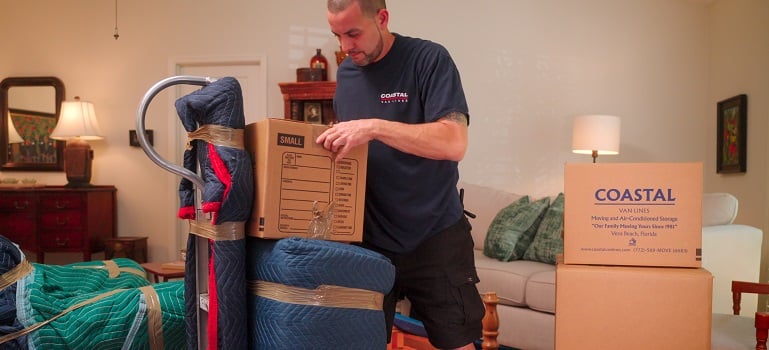
Enlisting a reputable moving company with experience in interstate relocations can greatly simplify your moving process. These experts manage the intricacies of packing, loading, and unloading, which allows you to concentrate on other moving tasks. Discussing details such as insurance for your belongings and the expected delivery schedule is vital to prevent any unexpected issues.
- Check seasonal weather conditions that could impact your route.
- Schedule a consultation with the moving company to discuss logistics.
- Review insurance options to cover valuables during the move.
- Confirm the availability of equipment like dollies or furniture pads.
- Inquire about the moving company’s protocol for handling fragile items.
- Arrange a pre-move survey to estimate costs and logistics.
- Verify the moving company’s USDOT number for interstate credibility.
- Consider scheduling your move during off-peak seasons for better rates.
- Ask about the company’s policy on delays and rescheduling.
- Plan for immediate needs upon arrival, such as meal options or lodging.
After securing a moving company, preparing for the road ahead is next. This involves not only physical preparations but also ensuring you have all necessary documents and emergency contacts updated. For those in need of temporary storage units in Vero Beach, you can turn to
Handling healthcare and insurance transitions
Transferring your healthcare services is crucial. Begin by securing copies of all your medical records and ensuring you have enough medication to last through the move. Once you arrive, one of your first tasks should be to find a new healthcare provider and transfer your prescriptions. Update your health insurance to ensure it’s valid in your new state. Some states have their own health insurance marketplaces, while others use the federal marketplace. This change can affect your coverage and costs, so it’s important to address it promptly to avoid lapses in your healthcare coverage.
Updating your driver’s license and vehicle registration
One of the first legal tasks you will need to undertake after moving is updating your driver’s license and vehicle registration. Each state has a different deadline for these updates, generally ranging from 30 to 90 days post-move. For instance, California requires new residents to register their vehicles within 20 days and get a California driver’s license within 10 days.

Visit your new state’s Department of Motor Vehicles (DMV) website to schedule an appointment and check what documents you’ll need to bring. Often, you’ll need proof of identity, proof of residency, your current driver’s license, and possibly your Social Security card. Some states may require a vision test or even a written driving test, so be prepared for these possibilities.
Dealing with homesickness and cultural adjustments
Moving to a new state often involves adjusting to a different cultural environment. This adjustment can sometimes lead to feelings of homesickness or cultural shock, particularly if the social norms, dialects, and lifestyle are different from what you’re used to. For instance, moving from the fast-paced lifestyle of New York City to a more laid-back setting like rural Idaho might be jarring.
To combat homesickness, try to establish a routine similar to the one you had at home and start exploring your new surroundings. Participate in local activities, join clubs or groups that reflect your interests, and connect with neighbors. These actions can help you form new friendships and integrate into the community more quickly.
Discover the Benefits of Expert Assistance When Moving to a New State
Successfully moving to another state for the first time can feel overwhelming yet exciting. As you step into this new chapter, meticulous preparation ensures your journey is seamless. Familiarizing yourself with the unique laws and lifestyle adjustments specific to your new home state is crucial. Additionally, aligning with professional movers offers unparalleled expertise and peace of mind. They navigate logistical challenges efficiently, allowing you to focus on settling in and exploring your new environment. With professional help, you transform the daunting task of relocation into a smooth, enjoyable transition. Embrace this opportunity for a fresh start, leveraging the skills of seasoned experts to help you relocate effortlessly. Moving to a new state for the first time opens doors to new experiences; with the right support, you’re well-equipped to make the most of them.
